Major Australian Government Websites Hit by AI-Discovered Flaw: What Went Wrong?
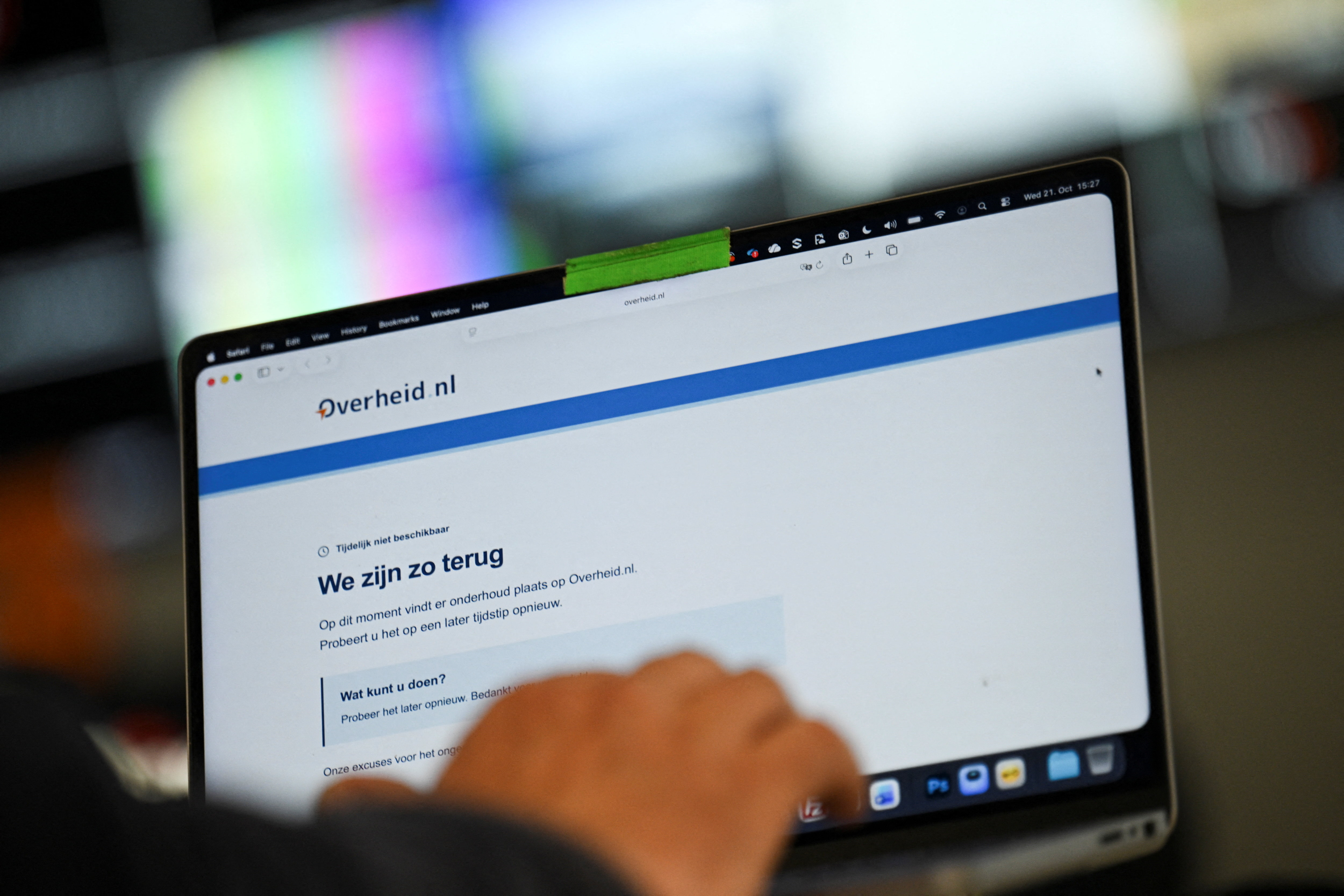
Canberra — Several major Australian government websites, including the nation’s own cybersecurity agency, were forced offline this week after artificial intelligence tools uncovered critical vulnerabilities in a programming language that powers roughly 70% of the internet.
The Australian Signals Directorate (ASD) confirmed on Wednesday night that its own cyber.gov.au portal was among the government sites affected by the flaw in PHP, a widely used open-source scripting language. The outage rippled across multiple agencies, with local media reporting varying degrees of disruption to the Australian Taxation Office, the Health Department, and the Australian Communications and Media Authority.
The vulnerabilities, tracked as two separate critical flaws, were discovered with the assistance of AI systems developed by OpenAI and Alphabet-owned security firm Wiz. According to researchers, the bugs had quietly existed in PHP’s codebase for over a decade—but what once would have taken a world-class team months to uncover was achieved by a single researcher in a week using frontier AI models.
Why Were Government Websites Taken Offline?
The decision to pull sites offline was precautionary, not reactive. No breaches of Australian government systems have been detected, according to Industry and Innovation Minister Tim Ayres. A spokesperson for Home Affairs Minister Tony Burke stated that “some websites are temporarily unavailable as work is undertaken to mitigate risks arising from this vulnerability.”
The ASD issued a critical alert urging organisations using PHP to identify affected systems and apply security patches as soon as they became available. The PHP Foundation subsequently released urgent fixes, warning that “if you run PHP, it is imperative that you update now.”
How Serious Is This Flaw?
Cybersecurity experts are calling it one of the most consequential vulnerabilities in recent memory. Ismael Valenzuela, vice president of threat research at Arctic Wolf, described the potential impact as “enormous,” noting that PHP powers roughly 70% of websites where the server-side programming language is known.
The flaws could allow unauthenticated attackers to remotely execute code on affected servers—meaning hackers could potentially take control of vulnerable systems, access sensitive data, or compromise authentication tokens and API keys. Wiz researchers noted that every PHP version released in the last decade is affected by at least one of the vulnerabilities, going back to version 5.4.
What makes this incident particularly striking is the role of AI in both discovering and potentially exploiting the flaw. Swinburne University associate professor Dimitrios Salampasis warned that AI is “accelerating both the discovery of security weaknesses and potentially their exploitation by cybercriminals,” creating an environment where organisations have less time to respond before attackers strike.
Was Anyone Actually Exploited?
As of Thursday, the ASD said it was “not aware of active exploitation related to these vulnerabilities” in Australia. However, the alert status remained at critical. Globally, the picture was more tense: government agencies in the Netherlands and Finland took sites offline as a precaution, and Wikipedia operator the Wikimedia Foundation temporarily took down unspecified systems.
The Dutch prime minister said he was closely monitoring the situation, while Japanese Prime Minister Sanae Takaichi urged website owners to apply the new fix.
What Does This Mean for the Future of Cybersecurity?
The incident has sparked a broader debate about AI’s dual role in cybersecurity. While the White House framed the discovery as a demonstration of American innovation strengthening national security, others were more cautious. AISA board director Scarlett McDermott called it “a wake-up call for Australian organisations,” warning that vulnerabilities once left undiscovered for years can now be identified—and exploited—much more quickly.
For Australian government agencies, the immediate priority was restoring services. By Thursday morning, several affected sites, including the Parliament of Australia website and the Australian Bureau of Statistics, had returned online. The ASD’s cyber.gov.au portal was also back up after its initial outage.
The deeper question remains unanswered: in an era where AI can find decade-old flaws in a week, are governments and businesses equipped to patch them before someone else does? For now, Australian authorities are urging organisations to review their PHP environments, apply the available patches, and monitor for suspicious activity. The websites are coming back online—but the lesson about speed, visibility, and the shrinking window between discovery and exploitation is likely to linger far longer.